
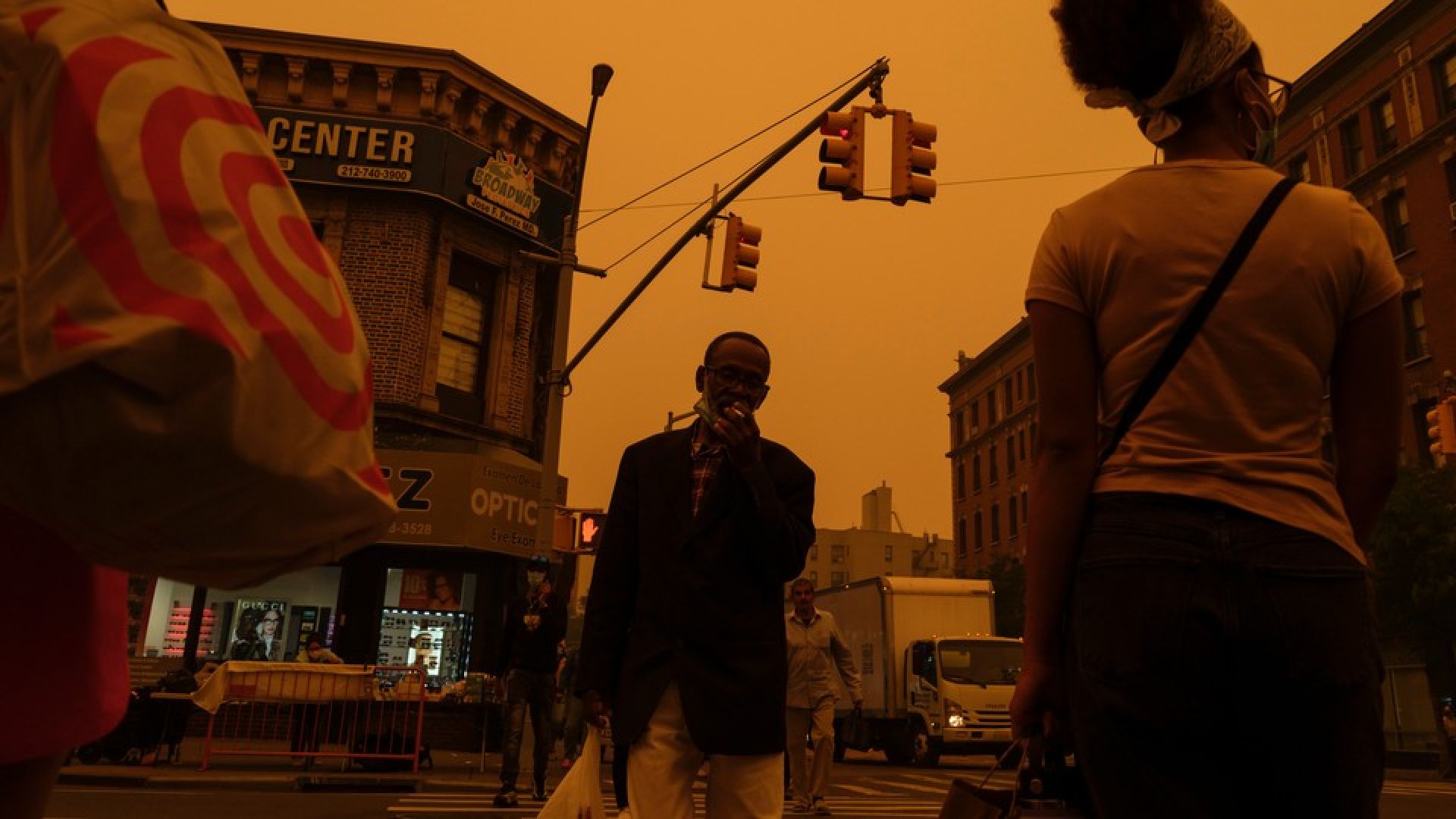
As wildfires grow more frequent and intense due to climate change, so too does prolonged exposure to wildfire smoke—now the dominant pollution source in much of the U.S. Across the country, such smoke exposure has risen dramatically, with unhealthy air days increasing 27-fold from 2012 to 2022. Yet science is still in its infancy when it comes to understanding the cumulative effects of smoke on human health. Most wildfire smoke research focuses on acute outcomes like respiratory distress and heart attacks, but scientists are now asking deeper questions: How does chronic exposure impact developing lungs, sleep quality, fertility, immune function, or neurodegenerative diseases?
A 2017 fire in Seeley Lake, Montana, gave researchers a rare chance to study long-term health effects. Surprisingly, residents didn’t exhibit immediate respiratory decline, but within a year, nearly half showed abnormally poor lung function—damage that persisted even two years later. Lab studies in mice mirrored these delayed effects, suggesting that wildfire smoke’s worst consequences emerge over time.
Aforementioned animal studies offer clues. Rhesus monkeys exposed to wildfire smoke as infants developed smaller lungs, weaker immune responses, and worse sleep. Similar findings have emerged in human children exposed to pollution. In men, smoke has been linked to reduced sperm motility, and in cattle, wildfire exposure correlated with a drop in sperm quality. In lab mice, high-dose wood smoke altered gene expression in thousands of sperm-related genomic sites—raising questions about long-term reproductive health and transgenerational effects.The risks don’t end with youth. Smoke triggers inflammation, a pathway to neurological disorders like Parkinson’s. It is also deadly: an estimated 11,000 people in the U.S. die prematurely each year due to wildfire smoke, with projections of 700,000 deaths by 2055 if climate trends continue. Ongoing studies, like one tracking 13,000 Angelenos for a decade, aim to clarify how smoke accelerates aging, heart disease, and chronic illness. Researchers stress the urgency of acting now. Wildfire smoke isn’t just an occasional nuisance—it’s a growing, pervasive threat to long-term public health, silently altering the bodies and futures of millions already breathing it.