
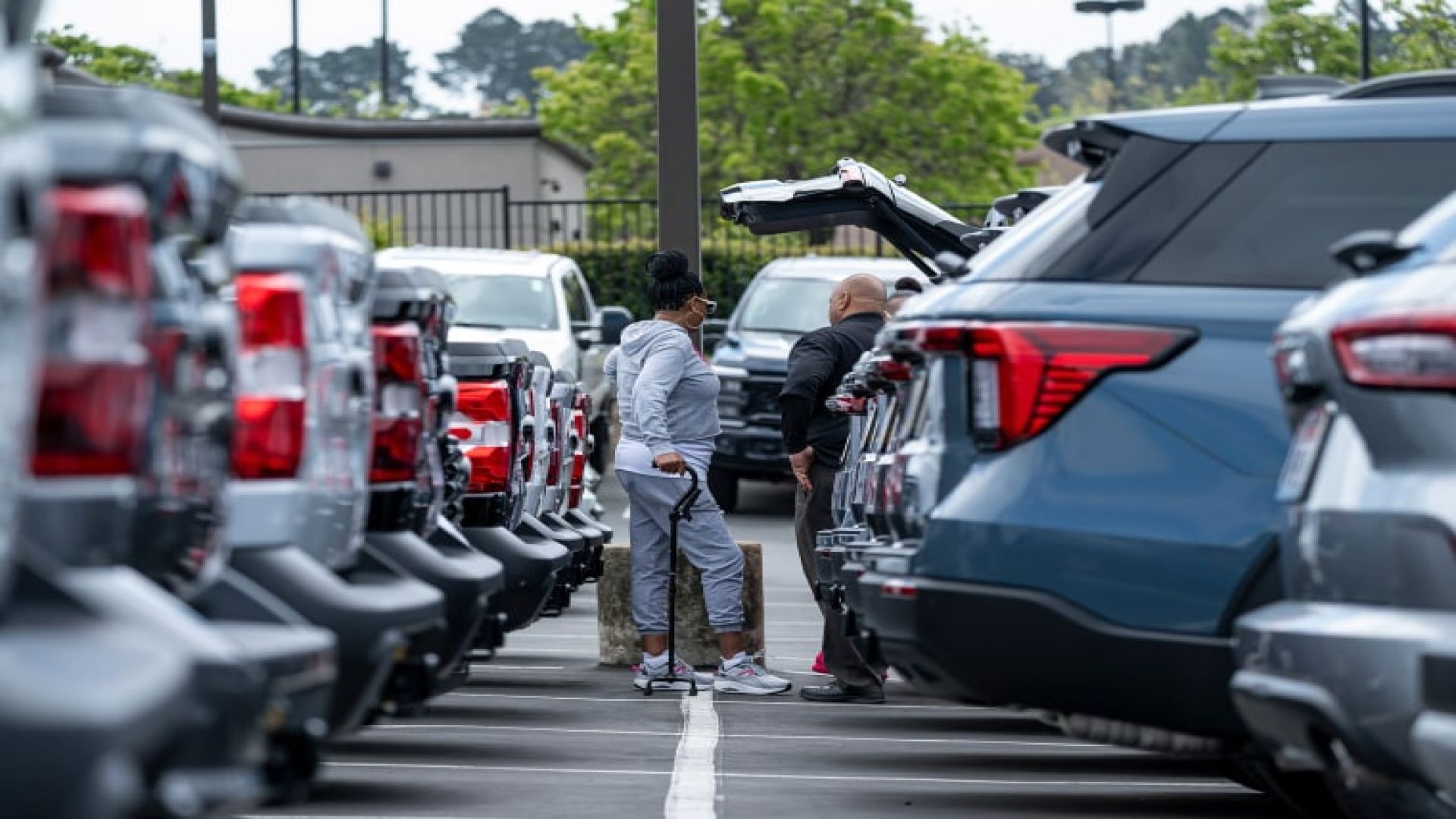
Auto dealerships across the U.S. are feeling the strain from President Trump’s recent tariffs on imported vehicles and parts, which are beginning to disrupt supply and raise concerns about future pricing. At Pine Belt Subaru in New Jersey, monthly deliveries have plummeted from 100–120 cars to just 18, leaving lots understocked as the busy summer season approaches. Customers, aware of potential shortages, have been rushing to buy before prices rise or specific models become unavailable.
The situation escalated further on May 3, when the administration imposed a 25% tariff on imported auto parts. Though automakers are temporarily eligible for small reimbursements, many are reevaluating shipment strategies and holding inventory at the borders. As a result, dealership inventory has dropped to an average 60-day supply, down from 80–85 days last year.
While this is better than the severe shortages of 2022, when inventories fell below 40 days due to global supply chain issues, analysts warn that current stocks still appear “depleted.” Automakers are also navigating how and when to pass the increased costs onto consumers. General Motors and Ford are already bracing for billion-dollar hits, with GM projecting up to $5 billion in tariff-related losses.
Despite these pressures, many manufacturers have yet to raise the Manufacturer’s Suggested Retail Price (MSRP), though that could change if demand remains strong and supply continues to tighten. Estimates suggest prices could climb by as much as $12,000 per vehicle. For now, companies like Hyundai and Ford are holding prices steady and offering employee discounts to soften the blow.
Shoppers like Karyn Wejnert are acting fast, sensing what’s ahead. “I knew waiting wouldn’t work,” she said after purchasing her new Subaru. As dealerships brace for more disruption, both consumers and automakers are navigating a precarious balance between demand, cost, and inventory.