
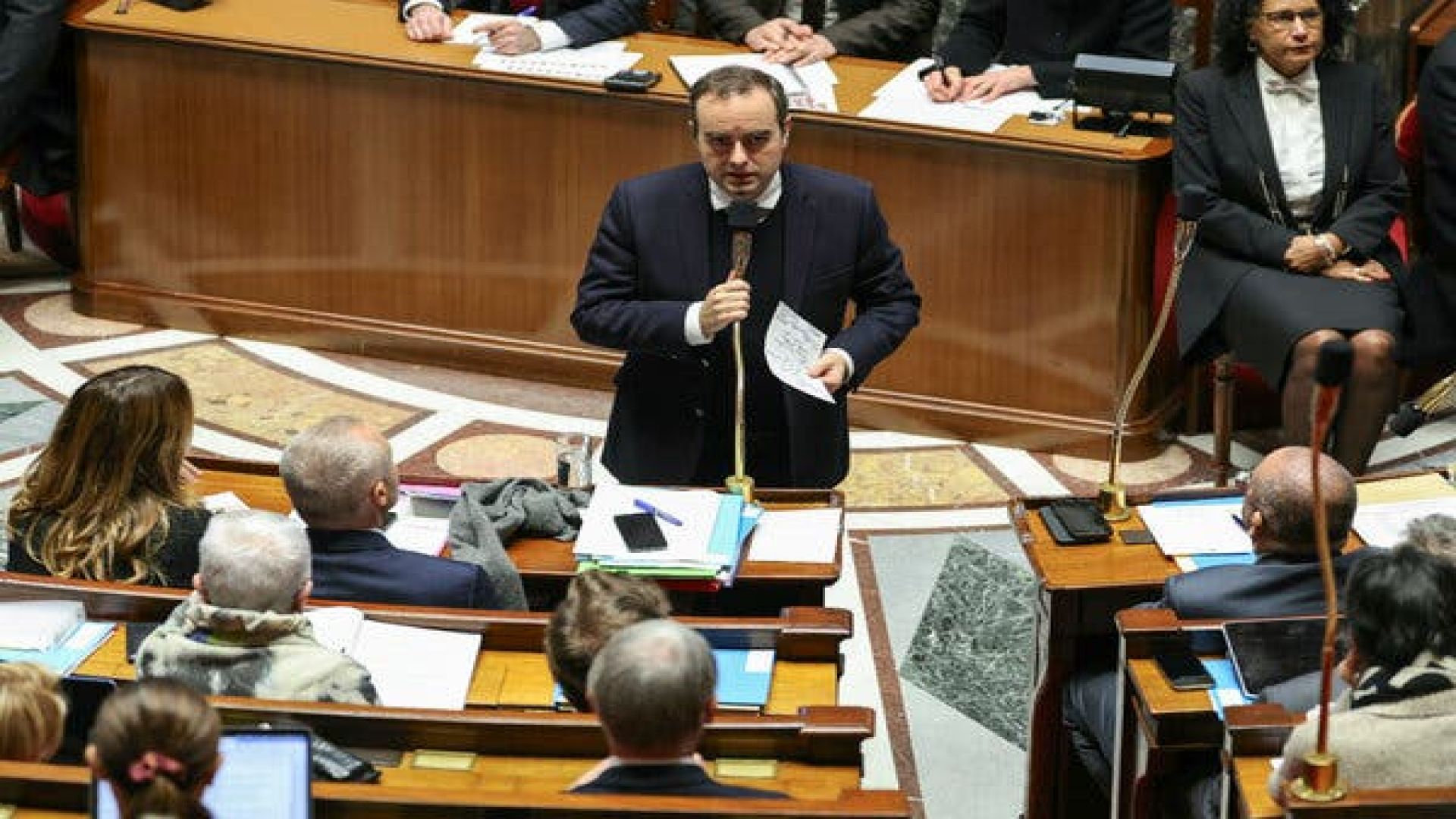
France’s Parliament passed a special temporary law on Tuesday to keep public services running through January after lawmakers failed, for the second year in a row, to agree on a national budget before the deadline. This situation highlights the political gridlock that has affected France since a general election 18 months ago resulted in a hung Parliament, where no single political group holds a majority.
Because of this divided Parliament, President Emmanuel Macron’s centrist government has struggled to pass major legislation. Prime Minister Sébastien Lecornu, appointed by Macron, has had to negotiate with many opposing parties, often without success. His two predecessors were forced out after failing to pass a budget, but Lecornu has so far survived by convincing enough lawmakers not to vote against his government.
The special law allows France to temporarily use last year’s budget to fund basic government operations. While this prevents an immediate shutdown, government officials stress that it is only a short-term fix. Lecornu said France must pass a real budget in January and reduce its deficit to below 5 percent of its economic output by 2026. President Macron also described the law as unsatisfactory, calling it a “Band-Aid” solution.France’s financial situation adds urgency to the problem. Public debt reached about 3.5 trillion euros (around $4 trillion) in September, making France one of the most indebted countries in the eurozone. Without a full budget, the government cannot effectively address long-term debt or spending priorities.
Political divisions remain deep. Conservatives want spending cuts and lower taxes, while socialists support higher taxes on the wealthy and oppose cuts to social programs. Far-left and far-right parties have largely refused to negotiate. Although Lecornu made major concessions, including suspending a controversial pension reform, analysts believe he may eventually be forced to use a constitutional tool to pass the budget without a vote.
France’s budget crisis reflects a wider global challenge facing many democracies, where divided legislatures make governing difficult. Similar political deadlock has affected countries such as the United States and Italy, raising concerns about stability, public spending, and trust in democratic systems worldwide.