
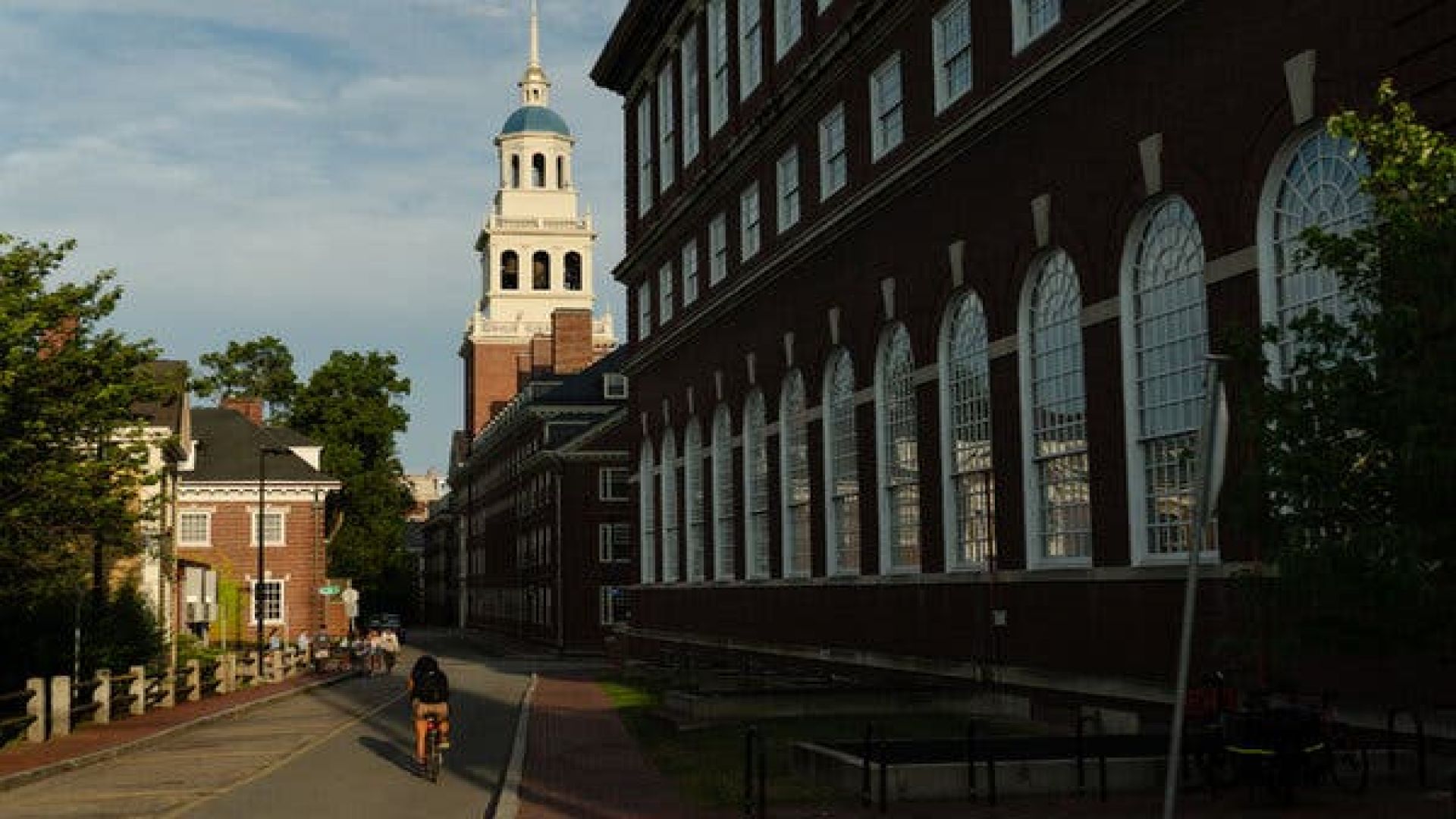
Harvard University is reportedly in advanced negotiations with the Trump administration over a potential settlement worth up to $500 million, following allegations of civil rights violations, including antisemitism and concerns over diversity, equity, and inclusion (D.E.I.) programs. The deal would be more than twice the $200 million paid by Columbia University in a similar settlement last week. Negotiations remain fluid, with Harvard hesitant to make a direct payment to the government and resistant to any oversight that could infringe on its academic freedom.
The administration is pushing for an agreement that mirrors Columbia’s, which included the appointment of an outside monitor but no admission of wrongdoing. Harvard, however, may refuse any deal that imposes external control over its hiring, admissions, or curriculum, arguing that government interference would violate its institutional independence. President Trump, who has made reining in elite universities a political priority, is pressing for a high-dollar outcome and has privately insisted on a more expensive deal from Harvard due to its wealth and influence.
The standoff comes as Harvard faces major financial pressure from the administration, which has curtailed federal research grants and threatened up to $1 billion annually in lost revenue. Despite a federal judge expressing skepticism about the government’s tactics, Harvard appears motivated to settle to restore funding and avoid prolonged conflict during Trump’s administration.The Harvard case highlights the growing tension between governments and academic institutions worldwide, as politics increasingly intersect with education policy. From Hungary’s Central European University to India’s regulatory challenges against dissenting campuses, the battle over academic autonomy is a global phenomenon. Harvard’s resistance to political oversight mirrors a broader international struggle over institutional independence, civil liberties, and the role of higher education in democratic societies. The outcome may set a powerful precedent for how political influence shapes academia on a global scale.