
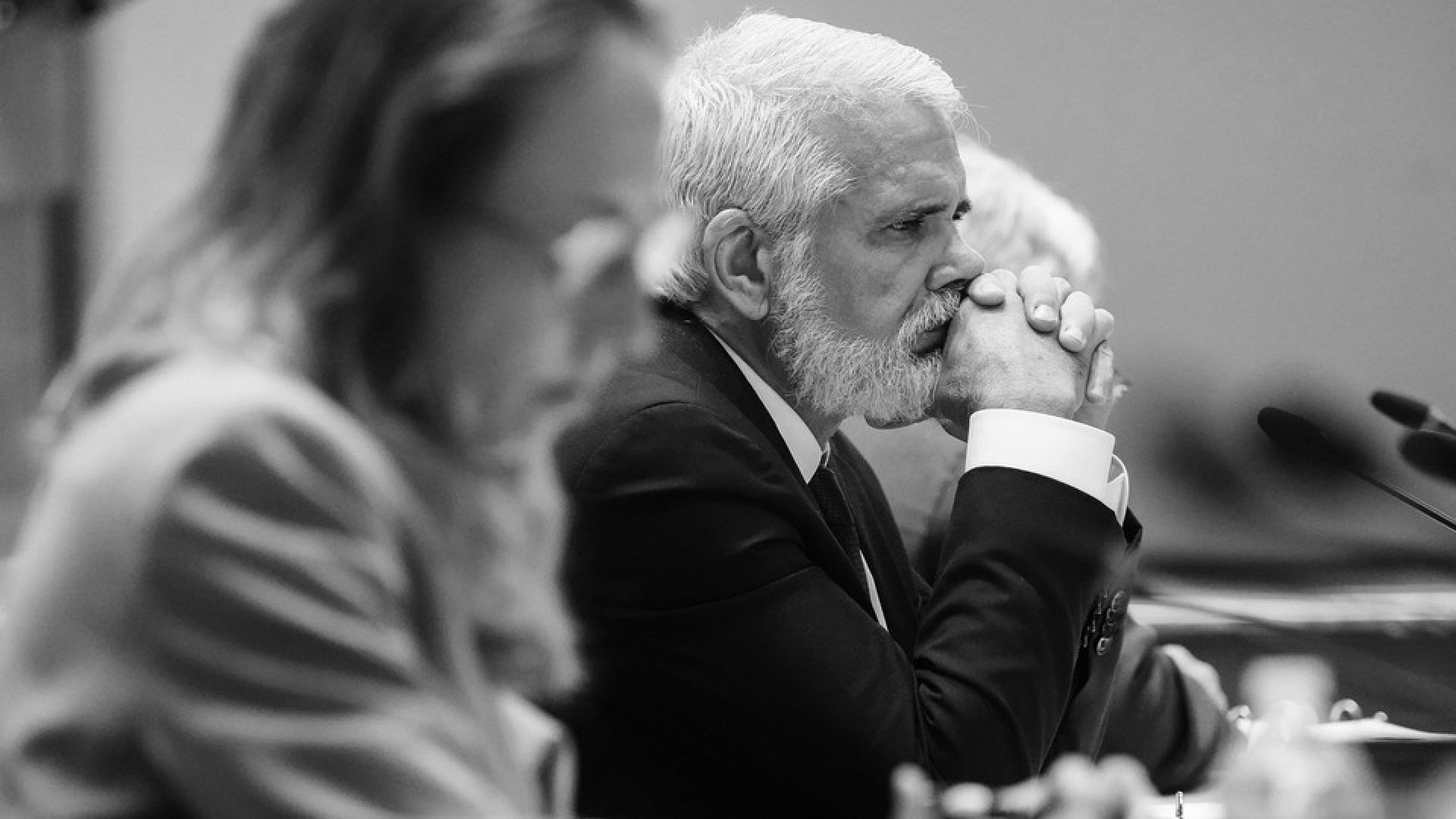
Health Secretary Robert F. Kennedy Jr. dismissed all 17 voting members of the CDC’s Advisory Committee on Immunization Practices (ACIP)—the influential panel responsible for setting U.S. vaccine policy. His newly appointed replacements, many of whom have ties to the anti-vaccine movement or have questioned mainstream science, convened for the first time this week in Atlanta. The meeting signaled a dramatic departure from ACIP’s traditional evidence-based approach, instead offering a forum for vaccine skepticism under the guise of scientific inquiry.
The restructured panel includes figures like Martin Kulldorff, known for his opposition to COVID-era restrictions, and Robert Malone, who has promoted anti-vaccine conspiracy theories. Though these figures spoke politely, their rhetoric sowed doubt about vaccine safety, particularly concerning mRNA COVID vaccines and potential immune system effects. Retsef Levi, a business professor and outspoken vaccine critic, challenged CDC staff with claims of overlooked safety signals, despite existing evidence from rigorous trials and reviews. Another appointee, Vicky Pebsworth, aligned with an anti-vaccine group, joined Levi in voting against recommending a new RSV-preventing antibody for infants, though it passed 5–2.Perhaps most alarming was the focus on thimerosal, a preservative long targeted by anti-vaccine activists despite its proven safety. The topic appeared on the agenda without the CDC’s usual preparatory work. Former Children’s Health Defense president Lyn Redwood presented on the topic, despite having cited fabricated data in her slides—a reference that was quietly removed before she spoke. The only dissenting voice in defense of scientific integrity was pediatrician Cody Meissner, a veteran ACIP member, who lamented the committee’s deviation from evidence-based standards.
While committee chair Kulldorff repeatedly invoked “evidence-based medicine,” the meeting revealed a deeper trend: decisions rooted less in data and more in ideology and intuition. Public health experts warn this shift may jeopardize America’s vaccination infrastructure and fuel vaccine hesitancy.