
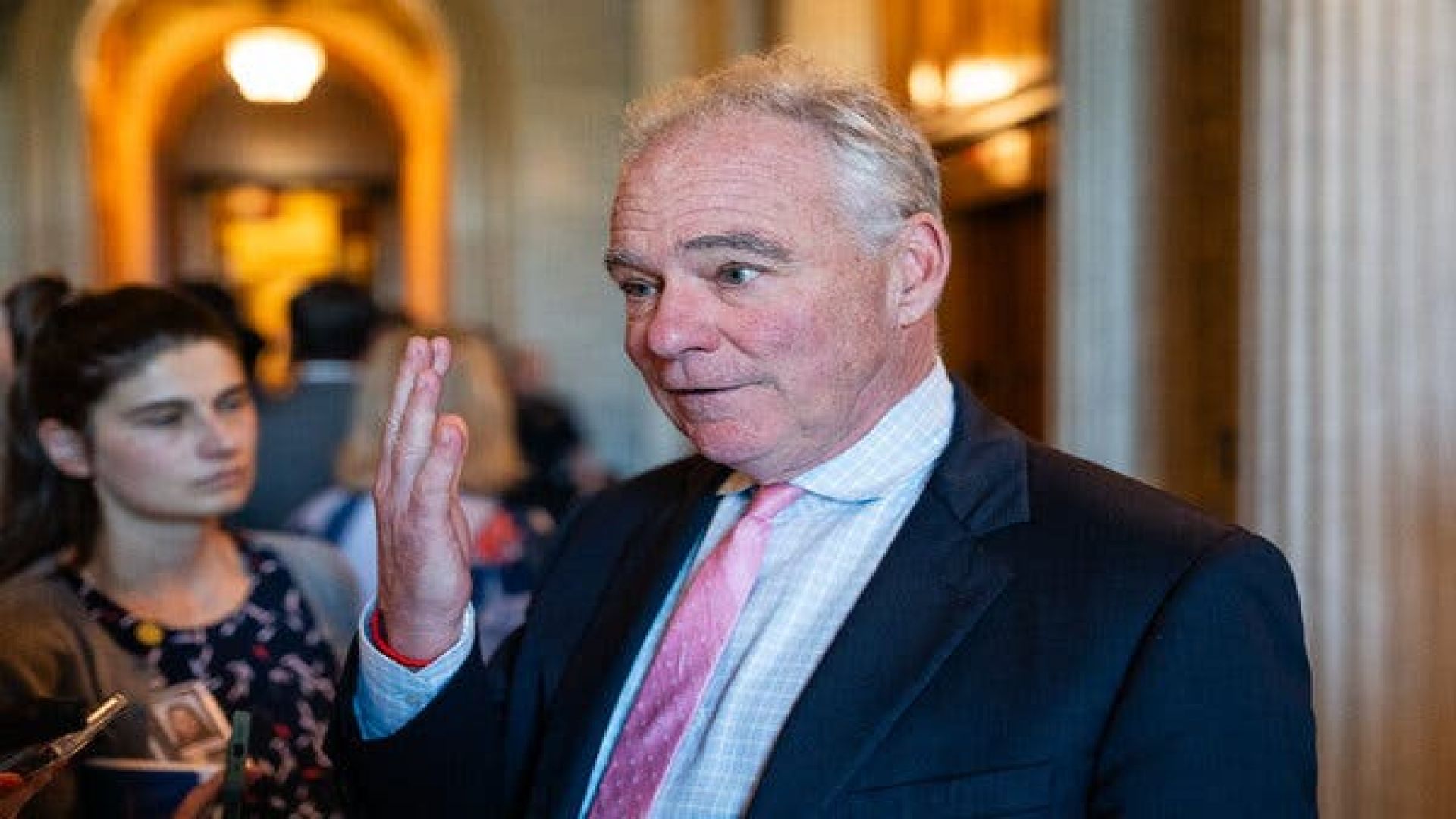
The Senate’s rejection of Senator Tim Kaine’s resolution to limit President Trump’s unilateral military authority marks another setback in the decades-long effort to reassert congressional war powers. The resolution, which invoked the War Powers Act of 1973, would have required congressional approval for further military action against Iran. It failed by a 53–47 vote, just days after Trump ordered strikes on Iranian nuclear sites without consulting Congress.
Kaine attempted to build consensus by clarifying that his measure would not restrict defensive actions or support for Israel. Still, the resolution faced stiff opposition in a Republican-led Senate, where even traditionally anti-interventionist voices largely backed Trump’s decision. Only Senator Rand Paul broke ranks, citing James Madison’s warning that the executive is most prone to war and should be checked by the legislature.
The debate underscored a sharp partisan divide: Democrats argued that bypassing Congress undermines constitutional checks and risks escalating conflict, while Republicans countered that swift national security decisions require executive flexibility, accusing Democrats of hypocrisy for not opposing similar actions under President Obama.Trump defended the strikes as acts of collective self-defense on behalf of Israel, asserting his constitutional authority as commander in chief. Even if Kaine’s resolution had passed, Trump’s framing suggests he would have sidestepped it.
Efforts to revive the resolution in the House are underway, but face procedural hurdles. The broader issue—presidential overreach in military affairs—remains unresolved, as successive administrations continue to rely on post-9/11 authorizations to justify force. The vote reflects Congress’s ongoing struggle to reclaim its constitutional role in decisions of war and peace.