
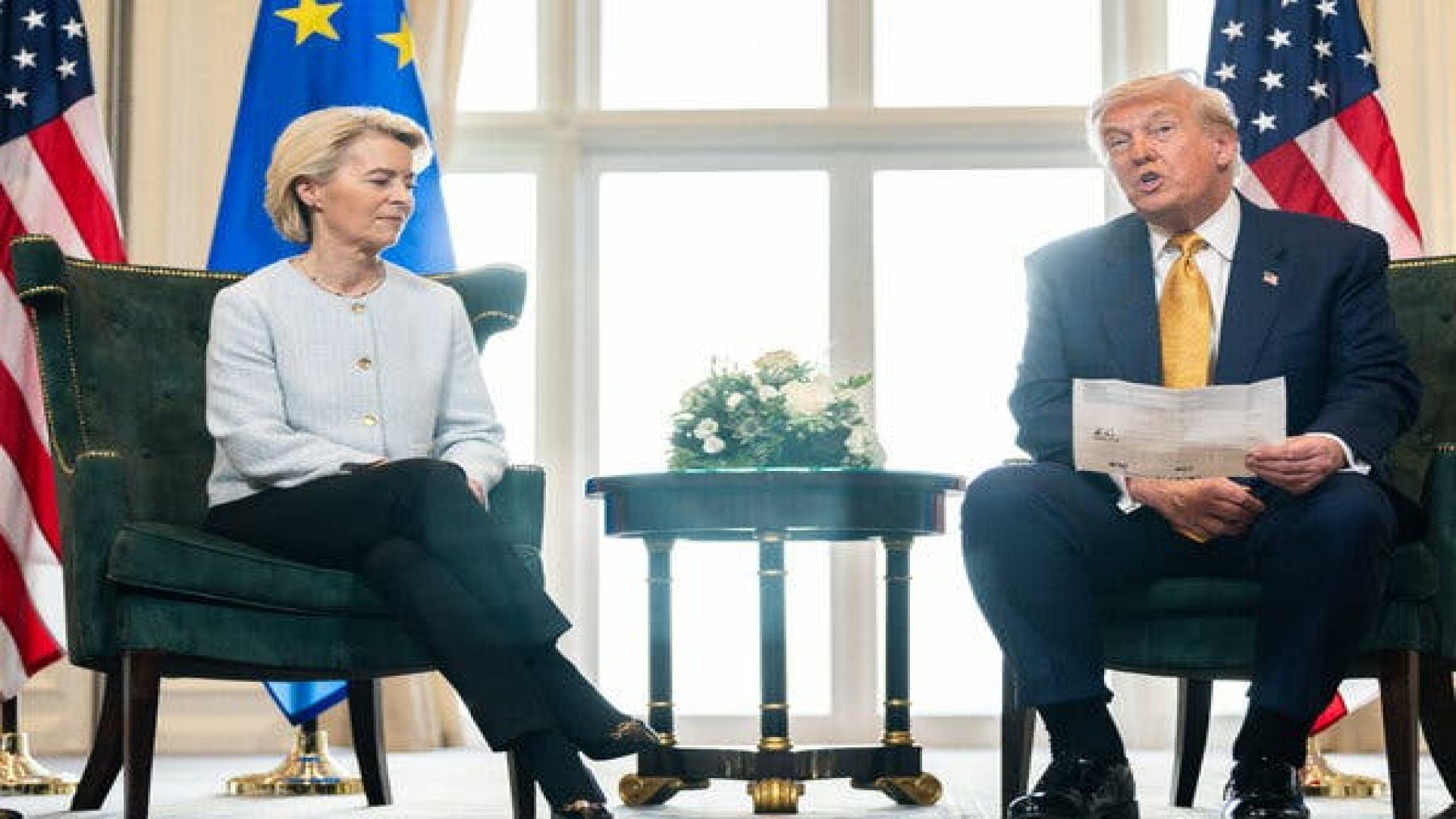
Over the past six months, the United States has significantly departed from the post-World War II global trade order, pivoting toward a high-tariff, protectionist model under President Donald Trump. Central to this shift is the use of America's vast economy as leverage, pressuring major trade partners, including the European Union and Japan, into accepting tariffs as high as 15–20% to maintain access to the U.S. market. Certain goods, like steel or items from adversarial countries such as China, face even steeper duties.
This evolving framework marks the highest tariff regime in modern U.S. history, drawing comparisons to pre-1946 mercantilist policies. While Trump has declared these moves a political win, their long-term economic outcomes remain unclear. Supporters argue the strategy will bring back manufacturing jobs and encourage domestic production, but critics cite rising import costs, price inflation, and potential damage to global supply chains. Some large firms, like General Motors and Volkswagen, have already reported over $1 billion in tariff-related losses.
Economists warn that consumers may feel the effects most acutely by fall, especially in goods like appliances, clothing, and toys. Yet, the impact is expected to slow—not halt—economic growth. Skepticism also lingers over the stability of recent trade agreements, given Trump’s record of sudden policy reversals and ongoing threats of additional tariffs on sectors like semiconductors and pharmaceuticals.
Many key U.S. trading partners, including Canada, Mexico, Brazil, and South Korea, have yet to finalize deals, leaving open questions about global trade realignment. America’s aggressive tariff approach reflects a rising global trend toward economic nationalism and protectionism, seen in countries like India, the U.K., and China. As geopolitical tensions grow and international supply chains remain fragile post-pandemic, the U.S. strategy could inspire copycat models or deepen divisions within the global trading system, potentially shifting the balance away from multilateralism toward fragmented regional blocs.