
Balancing Green Growth and Poverty Reduction
Author: Siyi Lu
March 06, 2026
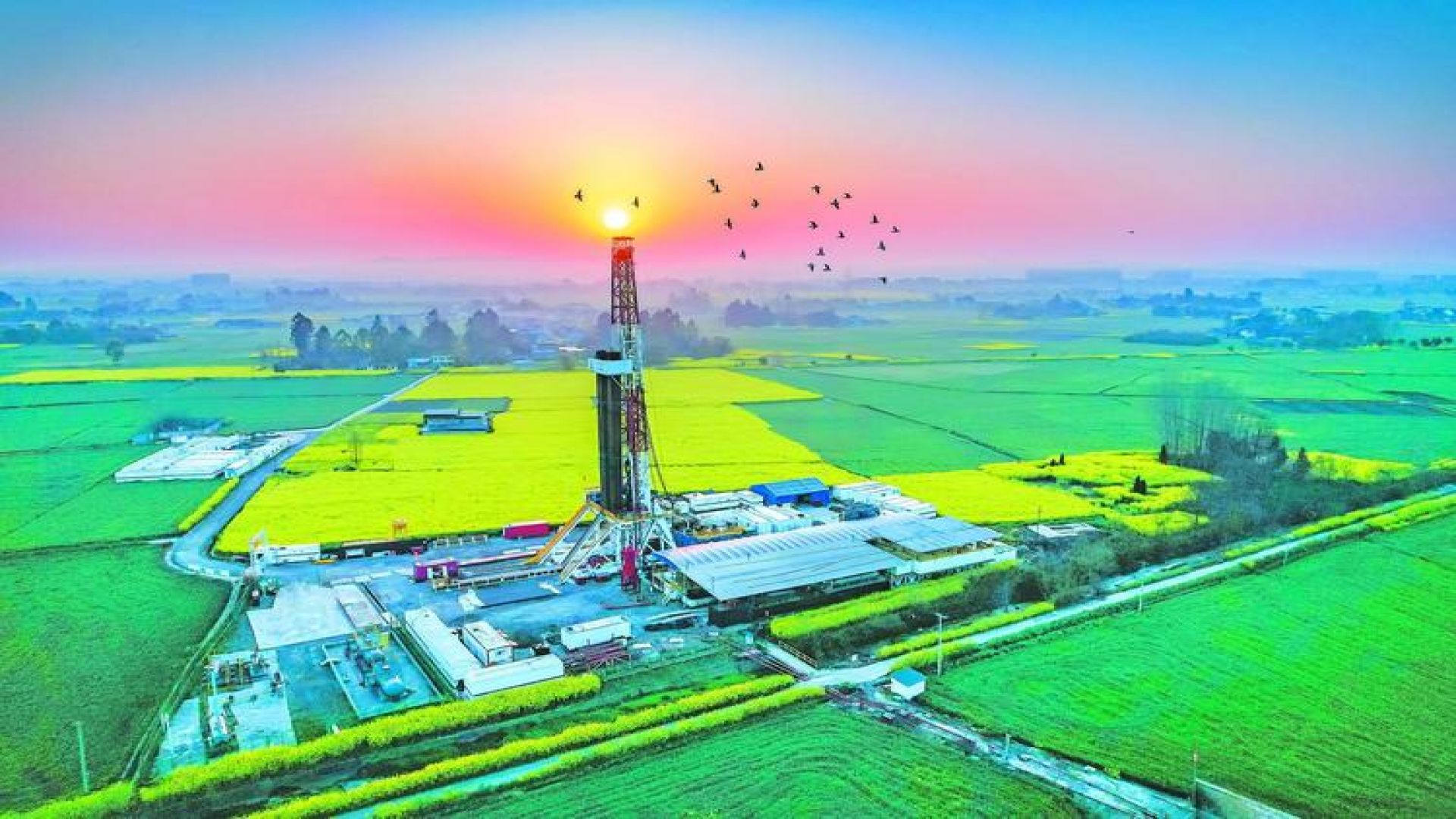
The pursuit of green development has become a central pillar of urban planning in the 21st century as cities confront environmental challenges. Green growth, which "describes paths of economic growth that are environmentally sustainable," is often viewed as universally beneficial. However, it can produce unintended consequences when a city's planning of green development overlooks certain social demographics. In particular, low-income urban populations may be at the expense of such development, bearing disproportionate costs when green policies are implemented without adequate support.
Nowadays, city planners are attempting to build resilient cities. Urban resilience refers to a city's ability to adapt to and recover from shocks such as climate disasters, economic recessions, and public health crises. For this reason, building a resilient city requires comprehensive efforts: not only environmentally sustainable measures but also socially inclusive ones. Otherwise, only focusing on environmental issues might increase the burden on the most vulnerable populations.
Thus, balancing green development and urban poverty reduction is essential to achieving true resilience. In the following sections, I will conduct a comparative analysis of Ulaanbaatar, the capital city of Mongolia, and Curitiba, a city in Brazil. These two cities illustrate the conflict and potential balance between environmental sustainability and poverty reduction. Through this comparative analysis, we can see how inclusive strategies can transform green growth into a force for equity rather than exclusion.
Green Development at the Expense of the Poor
The poor are considered as the group most affected by environmental pressure such as air pollution, soil degradation, and natural disasters. This is due to their poor living conditions, lack of resources, and unequal subsidies. For this reason, poverty reduction is needed. However, achieving economic growth and poverty reduction amidst environmental pressures is difficult. Therefore, "green growth," which "retains and may even provide further impetus to a growth focus, is essential for poverty reduction in low-income economies, while contributing to their resilience in the face of environmental problems." However, in some cases, environmental policies intended to promote sustainability can unintentionally deepen existing social inequalities. For example, carbon taxes or fuel levies designed to reduce the use of polluting goods can burden the poor, who rely more heavily on basic energy sources for daily survival. Meanwhile, the increasing cost of cleaner energy also places a direct burden on the poor. Additionally, environmental regulations may shrink employment opportunities in high-polluting industries, which often employ low-skilled workers who normally come from the city's poor population.
Ulaanbaatar: Failure to Balance Between Urban Poverty and Green Growth
Ulaanbaatar is a case in which the poor suffered from the increased cost of cleaner fuel, while measures to address environmental pollution were unsuccessful. In recent years, Ulaanbaatar, the capital city of Mongolia, has become one of the cities suffering most from pollution in the world. Sixty percent of the city's population live in "ger districts," which are informal settlements often lacking basic infrastructures. These inhabitants have to burn fuels, usually coal, to get heat in winter. Those who cannot afford either raw coal or wood often burn whatever they have access to, including garbage, plastic tires, and dung, which exacerbates pollution. Eighty percent of the city's air pollution comes from the burning of coal and other fuels by more than 200,000 ger households
Due to the severity of the problem, the Government of Mongolia (GoM) had taken numerous measures to improve the air quality, but with little effect. In 2017, the GoM approved the National Program for Reducing Air and Environmental Pollution (NPRAEP), aiming at reducing air pollution. Its policies included providing free electricity at night for select ger districts and distributing processed coal. Having considered the poor economic condition of the ger inhabitants, the program's effectiveness was still limited when COVID-19 hit Ulaanbaatar. The economic recession caused by COVID-19 worsened the plight of the poor, leaving some unable to afford even food. Lockdowns also increased household fuel burning, making air pollution even more severe. Although ger residents are often labeled the primary contributors to Ulaanbaatar's air pollution, the underlying driver is poverty itself. As the poverty problem was not appropriately dealt with, the environmental problems of Ulaanbaatar could hardly be solved. Poverty acted as a force of resistance, impeding the solution of environmental issues.
The Case of Curitiba: A Balance Between Green Development and Poverty
In contrast, Curitiba, a city in southern Brazil, demonstrates how environmental sustainability can be aligned with social equity. Rapid urbanization in the mid-20th century had led to widespread informal settlements and environmental stress. When Jamie Lerner became mayor, he introduced innovative programs that directly engaged low-income communities in environmental efforts. He introduced the "Green Exchange Program," which encouraged people to collect the recyclable garbage: every four kilos of garbage can be exchanged for one kilo of vegetables from the local farmers. This simple but effective policy tackled two problems at once: reducing litter and supporting the food security of the poor.
On top of that, Curitiba also involved the urban poor in its flood management. Low-income communities, for example, were employed to maintain parks as buffers to absorb overland flow. Their awareness of environmental protection was aroused while they were paid to participate. Curitiba's success was achieved by viewing the issue of social equity and green development not as two separate issues, but as interconnected. Lerner regarded the poor as an important group for environmentally friendly programs and as labor forces for these initiatives.
"If you want creativity, cut one zero from the budget. If you want sustainability, cut two zeros!" said Lerner. It is not how much Curitiba invested in these programs but this kind of simple and practical logic of the method that contributes to Curitiba's success.
Lighting Up The Urban Future
A bright urban future requires balance between green growth and poverty reduction. Curitiba sets a successful example, demonstrating that success is defined by how smartly the programs are designed. From evaluating the cases of Ulaanbaatar and Curitiba, we learn two simple strategies to bridge the gap. The first is to engage the poor in environmental stewardship, enabling cities to cultivate community awareness and mitigate environmental impact on informal settlements. Another method is to take full use of the poor as a basic labor force, converting a social challenge into an economic asset. This approach reduces the poor's economic burden by providing jobs while achieving economic growth. However, such strategies are difficult to implement on a large scale without political support and constant monitoring. Therefore, governments must commit the time and resources necessary to ensure that ecological sustainability and social equity rise together.

(for college and high school students)
Staff Writer Leader:SpencerCopyright © 2023 The Global Horizon 沪ICP备14003514号-6